

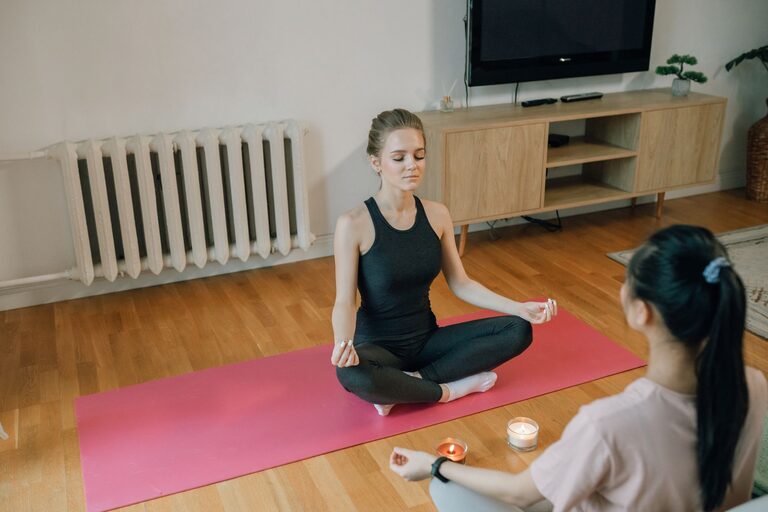
Taking mindful breathing breaks can be a simple yet powerful way to manage stress, enhance focus, and bring a sense of calm into your daily routine. If you’re new to mindfulness or have never tried breathing exercises before, it’s helpful to start with easy, practical tips that you can fit into your day. In this post, we’ll explore beginner-friendly approaches to mindful breathing breaks, including why they matter, how to do them, and tips for making them a consistent habit.
What Is Mindful Breathing?
Mindful breathing means paying full attention to your breath—the sensation of air moving in and out of your body—without trying to change it or judge it. It’s about observing your natural breathing pattern with curiosity and calm awareness. This practice helps anchor your mind in the present moment and can reduce feelings of anxiety and overwhelm.
Why Take Mindful Breathing Breaks?
When life feels busy or stressful, it’s easy to get caught up in a whirlwind of thoughts and tension. Taking short mindful breathing breaks can:
– Lower stress levels
– Improve concentration and focus
– Enhance emotional regulation
– Promote relaxation and calmness
– Increase self-awareness
Even just a few minutes of mindful breathing can make a noticeable difference in your mood and mental clarity.
Getting Started: Simple Tips for Beginners
1. Find a Comfortable Spot
You don’t need a special place to practice mindful breathing, but it helps to start somewhere quiet and comfortable. Sit in a chair with your feet flat on the floor, or lie down if you prefer. Keep your spine straight but relaxed.
2. Set a Timer for 2 to 5 Minutes
Begin with short sessions to avoid feeling overwhelmed. Setting a timer ensures you’re not watching the clock and can fully focus on your breath.
3. Focus on the Natural Flow of Your Breath
Close your eyes gently if you like. Notice the sensation of air entering your nose or mouth, filling your lungs, and leaving your body. You don’t need to control your breathing; just observe it.
4. Use a Simple Counting Technique
If your mind starts to wander, try counting your breaths silently. For example, inhale—count “one,” exhale—“two,” and continue up to five, then start over. This helps keep your attention anchored.
5. Practice Deep Belly Breathing (Optional)
If you want to engage more fully, try deep belly breathing. Place one hand on your stomach and feel it rise as you inhale deeply. Exhale slowly and feel your belly fall. This can help deepen relaxation but remember to keep it gentle.
Incorporating Breathing Breaks Into Your Day
Choose Regular Times
Link mindful breathing breaks to daily activities or natural pauses in your routine. For example:
– Before starting work
– After finishing a task
– During a mid-morning or afternoon break
– Before meals
– Right before bedtime
Use Reminders
Set phone alarms or calendar notifications to remind you to pause and breathe mindfully. Over time, these breaks can become second nature.
Combine With Movement (Optional)
If you prefer, combine mindful breathing with gentle stretches, walking, or yoga poses. This can enhance relaxation and keep your body engaged.
Overcoming Common Challenges
My Mind Keeps Wandering—Is That Okay?
Yes! It’s completely normal for your thoughts to drift during mindful breathing. The key is to gently bring your focus back to your breath whenever you notice the mind has wandered. With practice, it becomes easier.
I Don’t Have Time—Can I Still Benefit?
Even short breaks of 30 seconds to 1 minute can be helpful. Try mindful breathing when waiting for something, like during a commute or while standing in line.
Does Mindful Breathing Help With Sleep?
Yes, many people find mindful breathing calming before bed. It helps quiet restless thoughts and relax the body for better sleep.
Additional Resources to Explore
If you want to deepen your mindful breathing practice, consider:
– Guided meditation apps with breathing exercises
– Online videos and tutorials on mindful breathing
– Books focused on mindfulness and breath awareness
– Local meditation or yoga classes
Final Thoughts
Mindful breathing breaks are an accessible and effective tool that anyone can use to bring calm and clarity into their daily life. Starting with small, manageable steps and practicing regularly can make a big difference over time. Remember, the goal is simply to be present with your breath without pressure or judgment. Give yourself permission to pause, breathe, and reset whenever you need it.
With these beginner tips, you’re well on your way to creating peaceful moments through mindful breathing breaks. Enjoy the journey!